
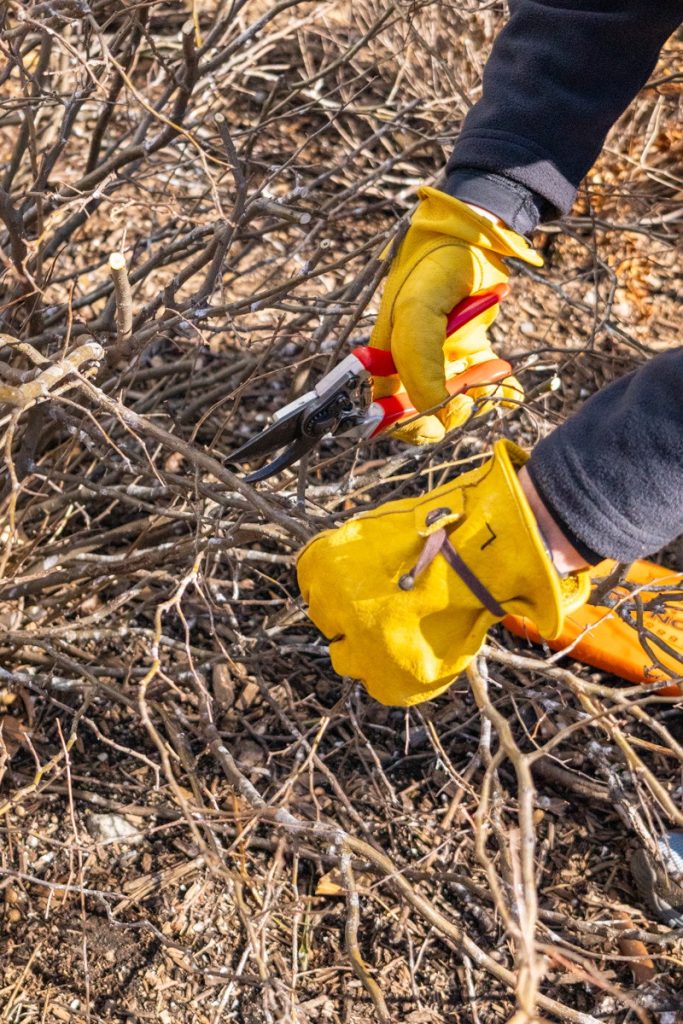
While The Greenway may look quieter in the winter and early spring months, some of the most important work of the year is happening behind-the-scenes. For our horticulture team, this slower part of the year is peak pruning season – a time when our horticulturists and volunteers begin to care for the park’s trees, shrubs, and perennial gardens, setting the stage for a vibrant growing season ahead.
2/26/25
Image Credit: Greenway Conservancy Staff (Emily Williams)
Why Winter & Early Spring Pruning Matters
In New England, late winter and early spring are ideal times to prune many trees and shrubs. With plants still dormant, it’s easier to see their structure, remove damaged or crossing branches, and encourage healthy new growth. Pruning during this window also helps:
- Promote stronger, fuller growth in spring
- Improve air circulation and sunlight penetration
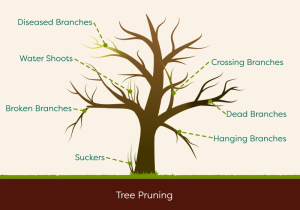
- Remove dead, diseased, or broken branches
- Shape plants for long-term health and resilience
On The Greenway, thoughtful pruning helps our landscapes thrive despite the challenges of an urban environment – from salty winter roads to heavy foot traffic and changing weather patterns.
Our Volunteers in Action
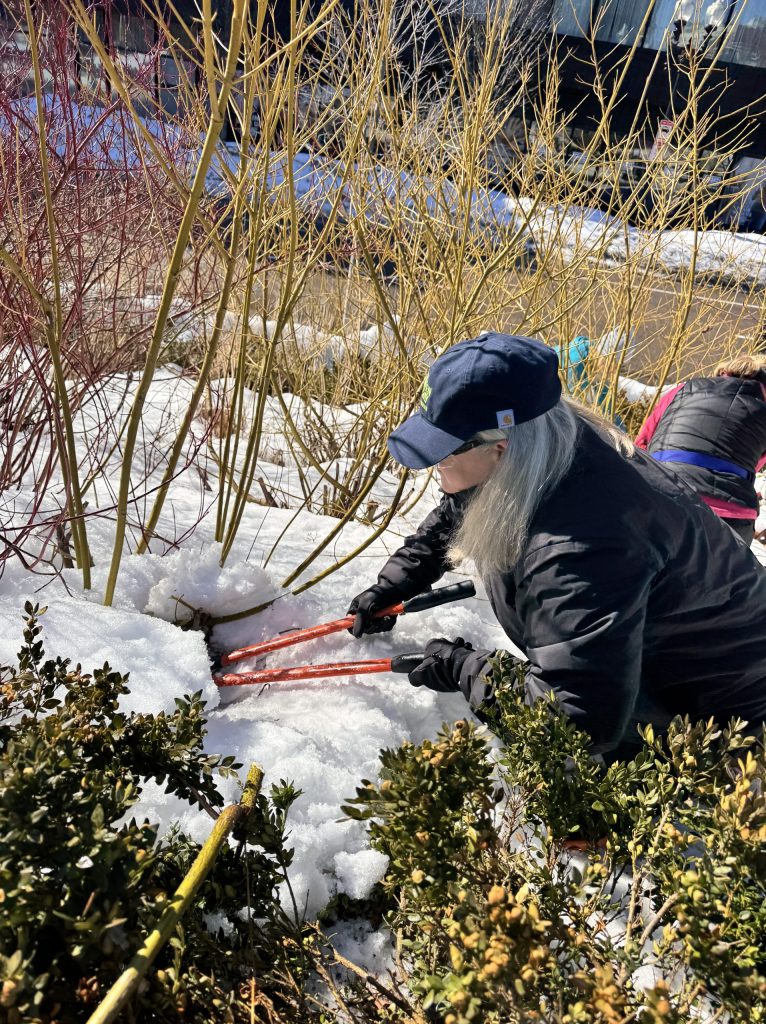
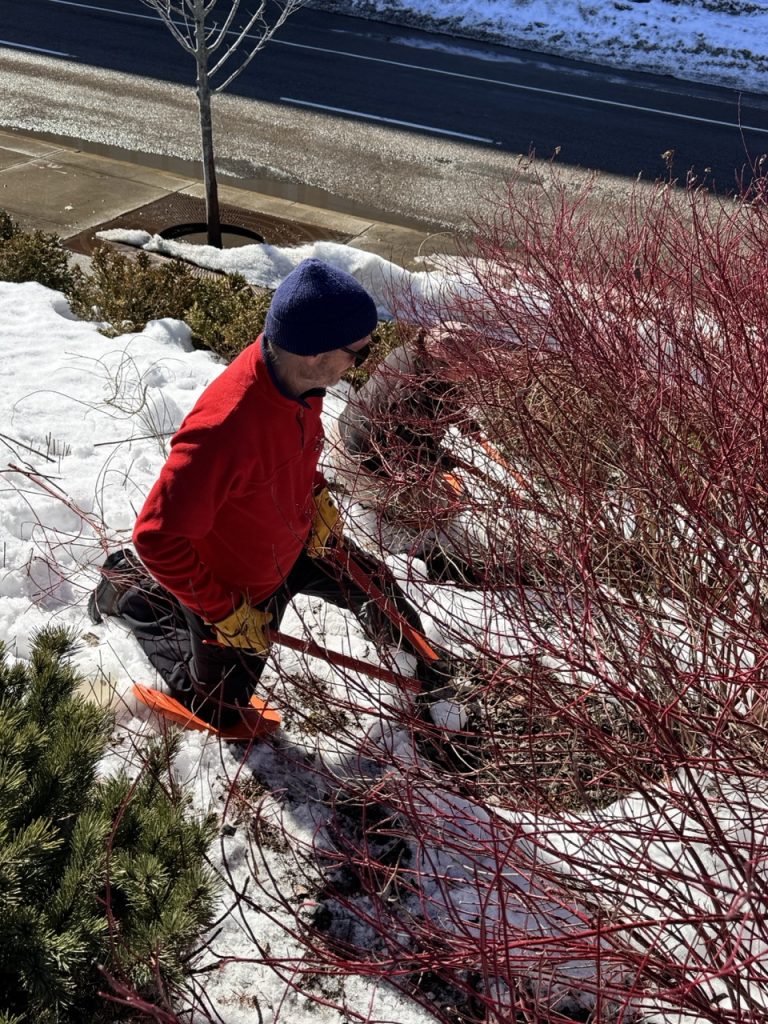
Much of this seasonal work wouldn’t be possible without our incredible volunteers! Throughout the winter and spring, volunteers join our horticulture team to prune shrubs, cut back perennials, and help prepare planting beds for what’s to come. Volunteers learn hands-on horticulture skills, connect with fellow park lovers, and play a direct role in shaping the park millions of people will enjoy in the months ahead. Their time, care, and enthusiasm are a vital part of The Greenway’s story, and we’re endlessly grateful for their commitment.
Pruning Tips You Can Use at Home
Inspired by the work happening in the park? Here are a few simple pruning tips you can apply in your own garden or yard:
Start with the basics
Always remove dead, damaged, or diseased branches first. This helps improve plant health and prevents the spread of disease.
Know your timing
- Prune most trees and shrubs in late winter or early spring while they’re dormant.
- Spring-flowering shrubs (like lilac or forsythia) should be pruned after they bloom.
- Summer-flowering shrubs can typically be pruned in early spring.
- Avoid pruning trees prone to “bleeding,” such as sugar maple, birch, and yellowwood. With these varieties, it’s best to wait until summer.
Use clean, sharp tools
Sharp pruners make cleaner cuts, which heal faster. Be sure to clean tools between plants to prevent the spread of disease.
Don’t overdo it
A good rule of thumb: never remove more than one-third of a plant at a time. Pruning should support growth, not stress the plant. For trees, use the 20% rule – aim to only remove approximately 20% of the entire tree’s branching structure
Cut with intention
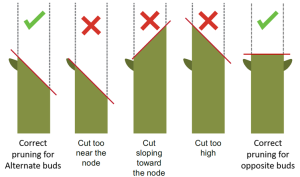
Make cuts just above a healthy bud or branch junction, angling slightly away from the bud to encourage outward growth.
Looking Ahead to Spring
Thanks to careful pruning and the helping hands of our volunteers, The Greenway is already preparing for spring! The next time you stroll through the park and admire a flowering tree or a full, healthy garden bed, remember: it all started months earlier, in the quiet of winter, with a few well-placed cuts and a community that cares deeply for this space.
Interested in getting involved? Volunteer opportunities are available throughout the year, and we’d love to have you join us! Learn more about different ways to get involved on our volunteer page.