
Did you know that May 20 is World Bee Day? If you’ve strolled through The Greenway in the spring and summer months, you may have noticed bees buzzing by flowers, butterflies resting on blooms, and gardens full of life. These small but mighty visitors are pollinators, and they play a vital role in keeping our ecosystems healthy.
Today and every day, our team at The Greenway is committed to helping pollinators thrive all throughout the park.
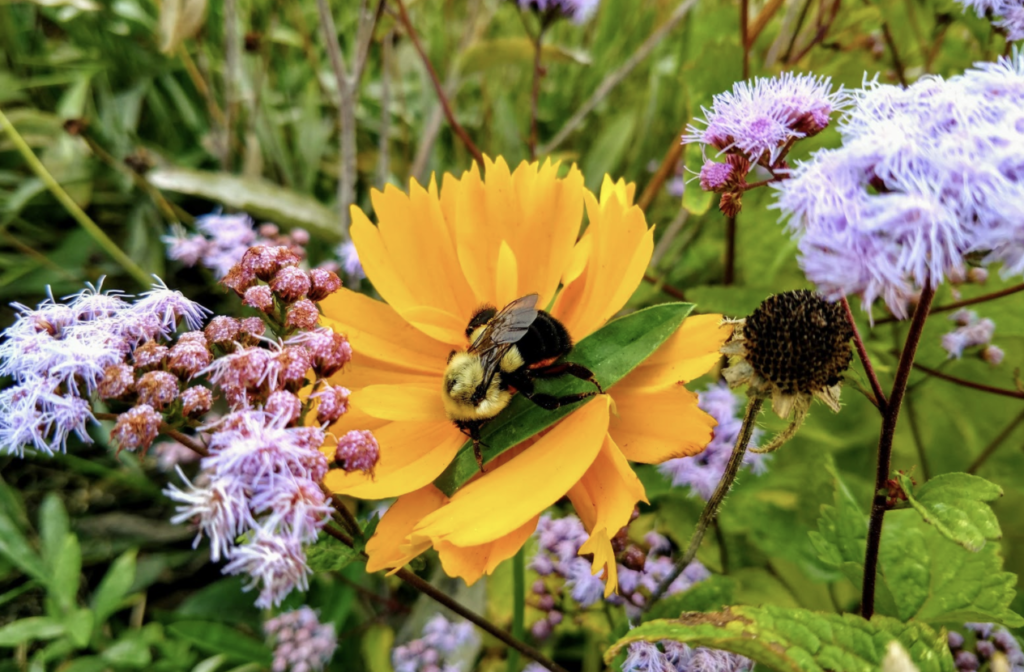
Why Pollinators Matter
Pollinators like bees, butterflies, moths, beetles (and even some birds!) move pollen from one flower to another, allowing plants to produce fruits, seeds, and new plants. Without pollinators, many of the plants that provide food or flowers would struggle to grow.
In cities, pollinators often face challenges like habitat loss and limited access to diverse plant life. That’s why park spaces like The Greenway are so important.
Creating Pollinator-Friendly Gardens
At The Greenway, our horticulture team members carefully design garden beds that provide food and habitat for pollinators throughout the growing season. These plantings prioritize a wide variety of nectar- and pollen-rich flowers that bloom from early spring through late fall.
The gardens are also maintained using organic practices, avoiding synthetic pesticides that can harm pollinators and other beneficial insects. This approach helps ensure that The Greenway remains a healthy and welcoming habitat for wildlife.
Native Plants Make a Difference
Many of the plants on The Greenway are native species that pollinators have relied on for thousands of years. Native plants are especially valuable because they provide the specific nectar, pollen, and habitat that local insects need to survive. A few examples you might see during a walk through the park are: Maple Trees (Acer), Inkberry (Ilex glabra), Arrowwood (Viburnum dentatum), Redtwig Dogwood (Cornus sericea), Coneflower (Echinacea), Aster (Symphyotrichum), and Goldenrod (Solidago).
These plants also tend to be well adapted to the local climate, making them resilient additions to New England’s ever-changing environment.
How You Can Help Pollinators Thrive at Home
You don’t need a large garden to support pollinators. Even small actions in your yard, patio, or on a balcony can make a big impact:
Plant pollinator-friendly flowers
Choose a variety of flowers that bloom at different times of the year to provide a steady food source. Check out our seasonal planting guide for a few examples. A few favorites from our horticulturists include: Milkweed (Asclepias: Host of Monarch Butterfly), Coneflower (Echinacea), Beebalm (Monarda), Mountain Mint (Pycnanthemum: Great for Native bees), Aster (Symphyotrichum: Fall blooming), and Sedum (Sedum: Fall Blooming).
Choose native plants when possible
Native species are especially beneficial for local pollinators. [Plants] thrive well in Boston’s climate, even in pots or smaller garden beds.
Avoid pesticides
Using organic gardening practices helps protect beneficial insects. Compost or organic fertilizers are a great way to fuel your garden and the environment.
Create small habitats
Leave a small patch of garden undisturbed, or add features like bee hotels and shallow water sources to support pollinators throughout the year.
See Pollinators in Action
Next time you visit The Greenway, pause by a garden bed and take a closer look. You might spot a bumblebee collecting pollen, a butterfly flitting between flowers, or other tiny pollinators hard at work.
And by supporting pollinators in your own yard, balcony, or neighborhood garden, you can help keep these essential species buzzing for years to come.