
As the air turns crisp and the days grow shorter, The Greenway’s vibrant summer life seems to fade into quiet stillness. The flowers close, the buzzing and fluttering stop, and you might find yourself wondering — where do all the bees and butterflies go when winter rolls in?
The answer is: many of them are still here, hidden all around us!
While we humans bundle up and head indoors, our local pollinators have their own ingenious ways of surviving the cold months.
Hidden Life Beneath the Surface
Many of the native bees that call The Greenway home don’t live in hives like honeybees. Instead, many are solitary bees, or new queens, each braving the winter in different stages of life. When winter approaches, some species burrow deep into the soil, where the earth provides insulation from freezing temperatures. Others tuck themselves into hollow plant stems, abandoned beetle holes, or even under fallen leaves — nature’s own blankets.
These small, secret shelters protect them until the warmth of spring returns. Then, when the flowers bloom again, the bees emerge ready to pollinate and help our gardens come alive.
Butterflies on the Move (and at Rest)
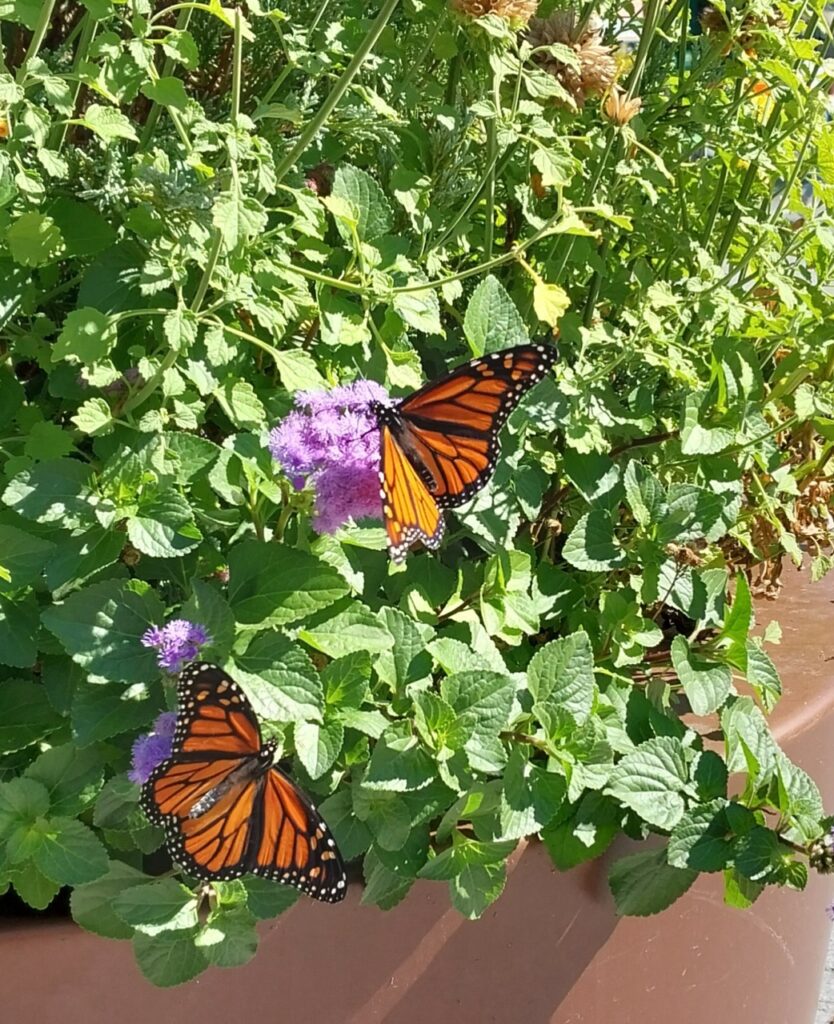
Butterflies have their own fascinating strategies for surviving winter. You may have heard of the Monarch butterfly’s epic migration, where millions travel thousands of miles south to warmer climates each fall. But not all butterflies migrate!
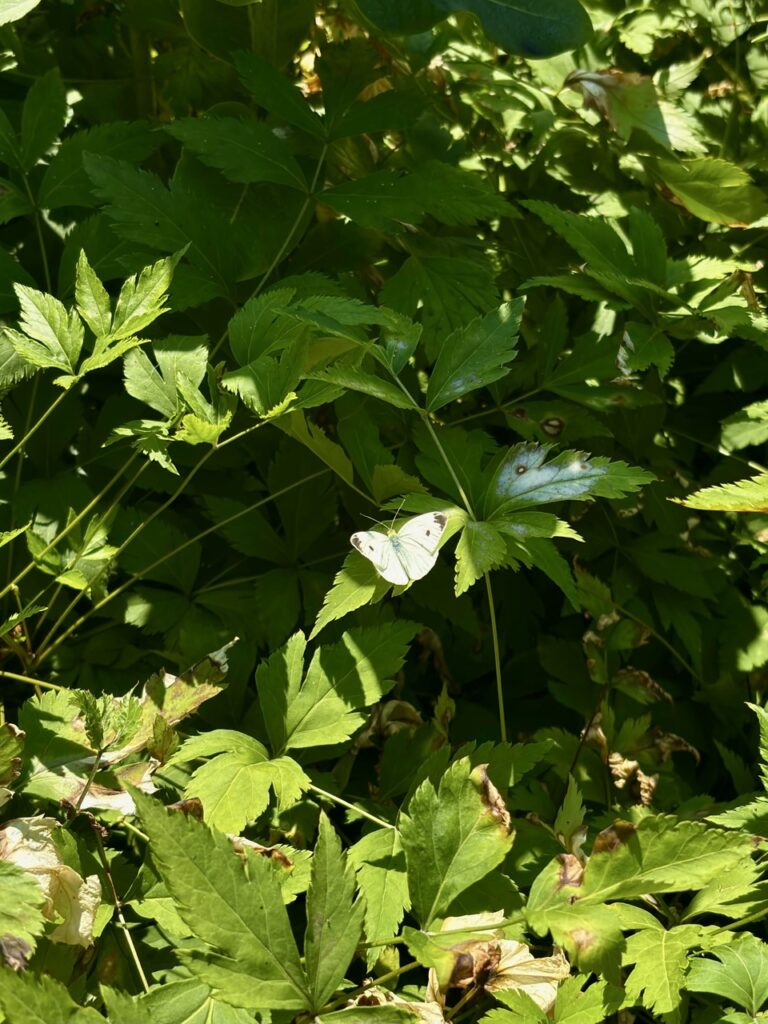
Some species stay right here, spending the cold months as chrysalises or cocoons attached to stems and branches. Others, like the Mourning Cloak butterfly, even hibernate as adults, tucking themselves into tree bark crevices or leaf piles until the days grow longer.
How The Greenway Helps Pollinators Weather the Winter
If you’ve walked through The Greenway in late fall, you may notice that our horticulture team leaves plant stems standing and layers of leaves in the garden beds. This isn’t laziness — it’s intentional care!
By skipping the winter cleanup, we’re providing essential habitat for pollinators to rest and overwinter safely. Those hollow stems become bee nurseries. The fallen leaves create a cozy refuge for butterflies, moths, beetles, and countless other small creatures.
These small acts of ecological gardening make a big difference. When spring sunshine returns, our pollinators will reawaken — stretching their wings and buzzing back to life, ready to continue the cycle of growth and renewal.
How You Can Help at Home
You can be part of this seasonal care, too! Here are a few easy ways to support bees and butterflies in your own yard or community space:
- Leave the leaves: Let some fallen leaves stay in your garden beds or under trees.
- Don’t cut down all your stems: Wait until spring to tidy up — those hollow stalks might be full of hibernating bees!
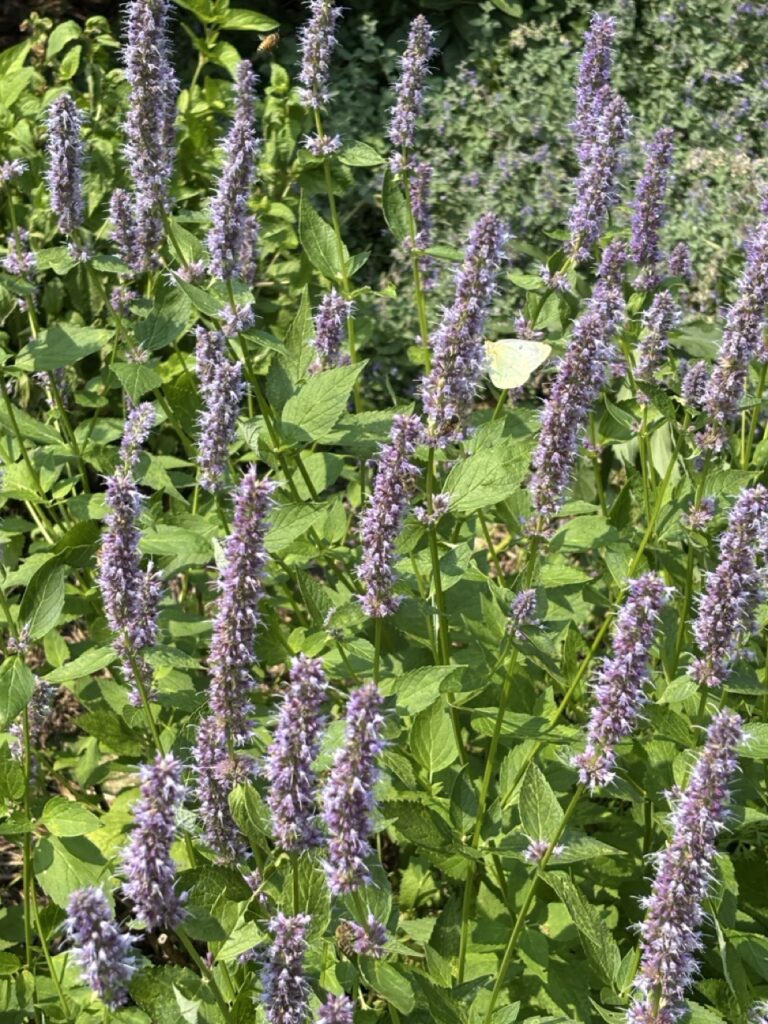
- Plant native species: Native wildflowers and grasses provide food and shelter for local pollinators.
- Offer water sources: Even shallow dishes with pebbles can help pollinators stay hydrated once they return.
The Quiet Season of Care
Winter may seem still and lifeless, but beneath the surface, The Greenway is alive with quiet preparation. By creating space for rest and refuge, our park — and our community — ensures that bees, butterflies, and other pollinators have what they need to thrive again in spring.
So next time you stroll through the park and see the seed heads standing tall and the leaves left to lie — know that it’s all part of a larger story of resilience, rest, and renewal.
Nature never truly sleeps — it just slows down.