Visit
How We're Working For Change
In the heart of a busy city, every tree planted, pollinator welcomed, and garden carefully tended has an impact far beyond its footprint. The Rose Kennedy Greenway is more than 17 acres of open space—it is a living landscape that helps cool surrounding neighborhoods, supports urban wildlife, manages stormwater, and creates opportunities for people to connect with nature every day. Through thoughtful design, sustainable maintenance, research partnerships, and community collaboration, The Greenway demonstrates how public parks can make cities healthier, more resilient, and more vibrant for everyone.
Sustainability efforts on The Greenway are supported by our partners BlackRock Gives, the Beacon Hill Garden Club, Cell Signaling Technologies, Doris and Robert Gordon, and Plymouth Rock Assurance Foundation.
Biodiversity
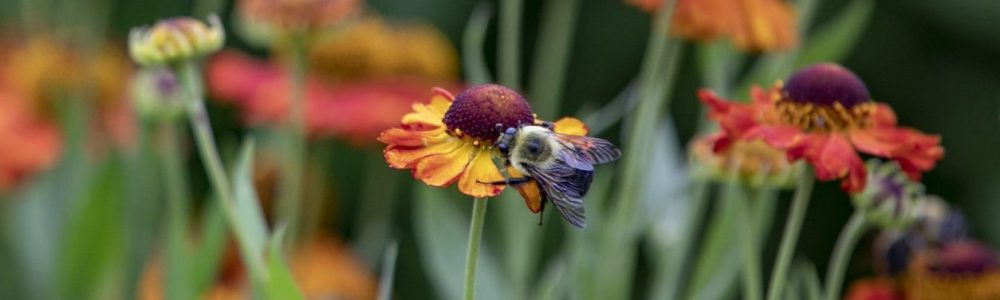
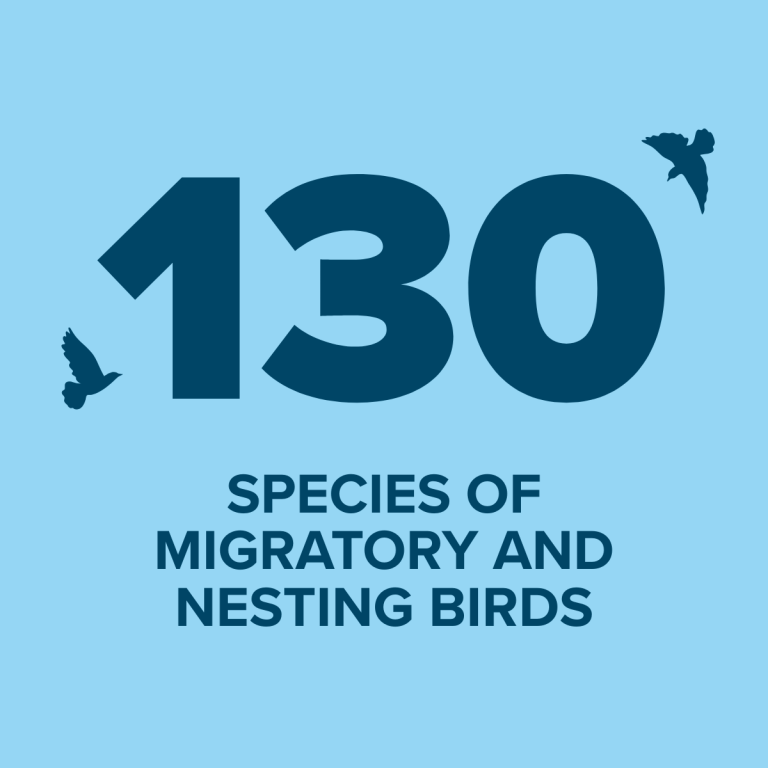
A healthy city depends on healthy ecosystems, and biodiversity—the wide variety of plants, animals, insects, and other living organisms that share an environment and keep natural processes in balance—is an important part of that picture.
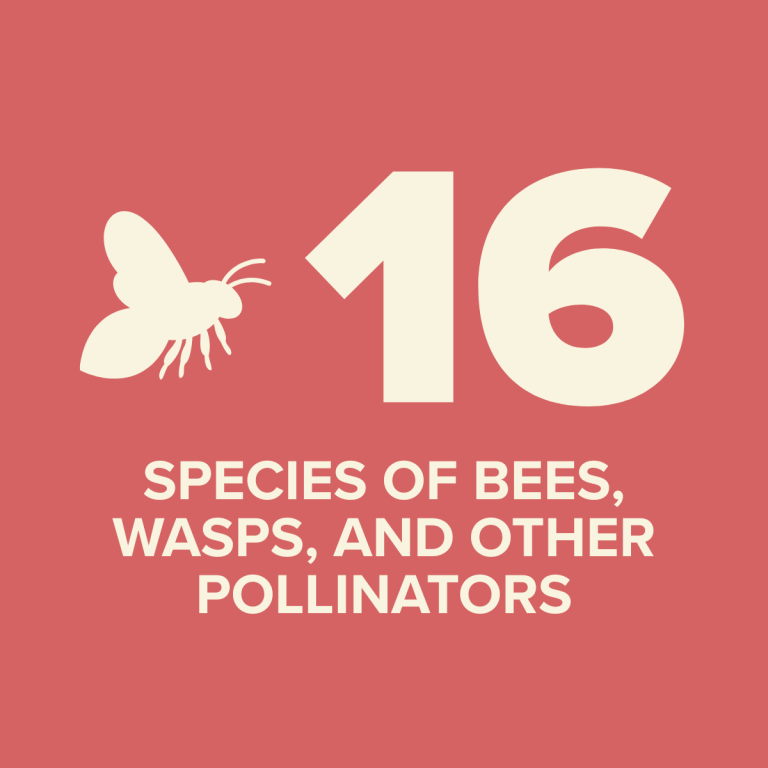
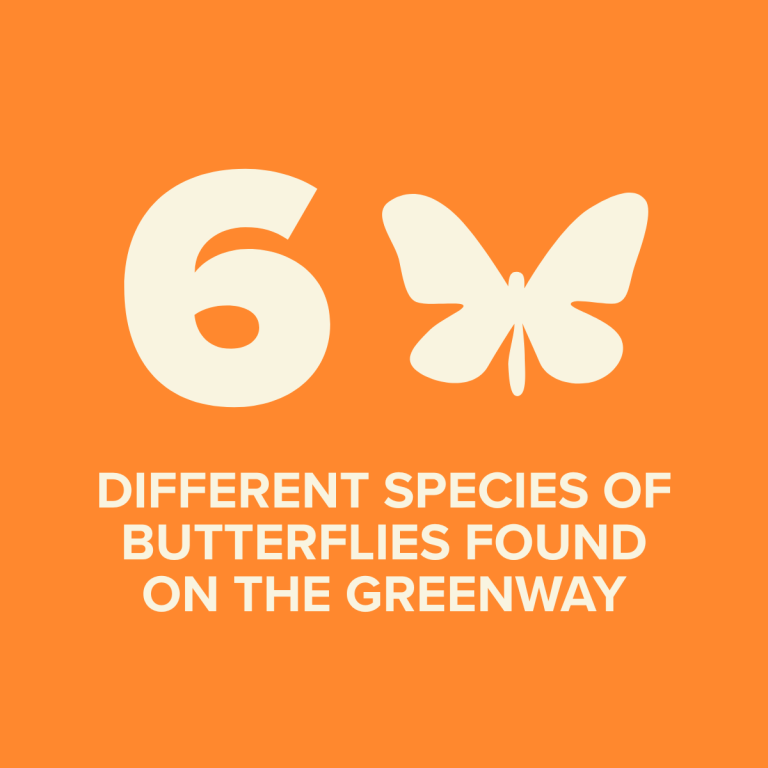
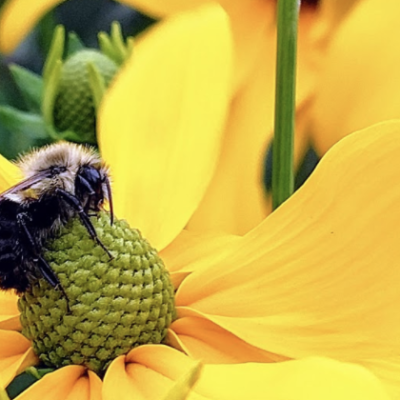
Across The Greenway, gardens are designed with diversity in mind. Native and climate-adapted plants provide food and habitat for bees, butterflies, birds, and other pollinators, while landscapes throughout the park reflect the diverse natural beauty and ecological character of Massachusetts. Intentionally selected plants paired with keystone tree species, along with pollinator hotels and beehives, create valuable habitat for pollinators and other invertebrates that call The Greenway home.
As the seasons change, these dynamic gardens serve as spaces where wildlife and people alike can flourish.
The Greenway also serves as a living laboratory and an accredited Level I Arboretum. Researchers from local universities have studied butterflies, pollinators, and other aspects of urban ecology throughout the park, helping deepen our understanding of how thoughtfully designed green spaces support biodiversity in the center of a city.
Urban Heat Island Mitigation
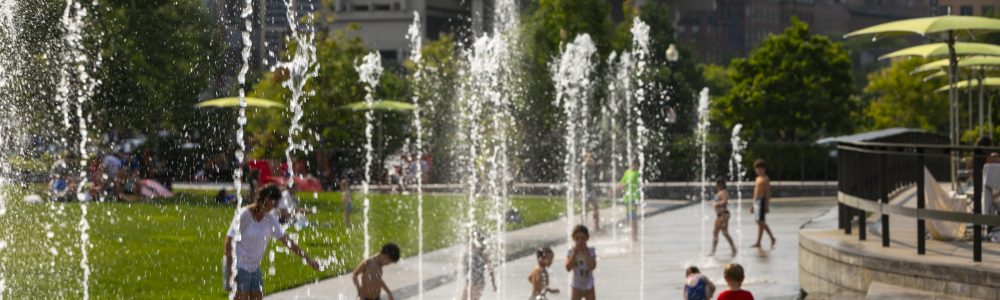
On hot summer days, parks play an important role in reducing the Urban Heat Island effect, the phenomenon that causes cities to become warmer than surrounding areas as pavement and buildings absorb and radiate heat.
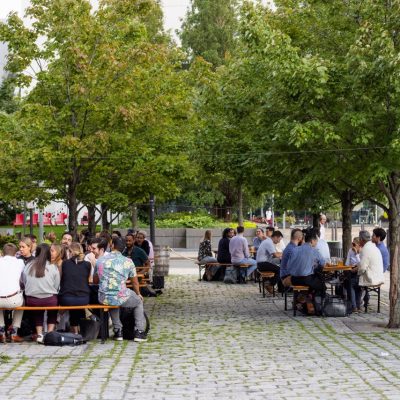
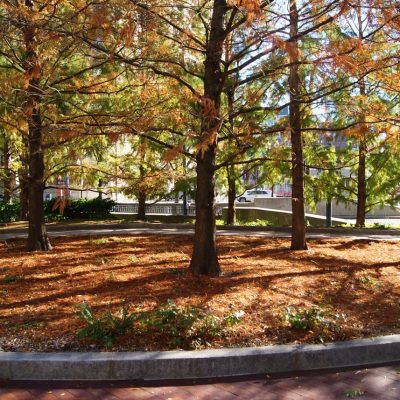
Trees, gardens, and fountains throughout The Greenway help make downtown Boston more comfortable by providing shade, cooling surrounding air, and lowering surface temperatures. The Greenway is home to more than 900 trees of over 75 unique species throughout the park, offering tree canopy coverage and opportunities for researchers from Boston University to study tree resilience and growth strategies in urban ecosystems.
In neighborhoods like Chinatown, expanded garden spaces contribute valuable green infrastructure where it is especially needed, creating cooler, more welcoming places for residents and visitors alike.
Sustainable Horticulture and Maintenance
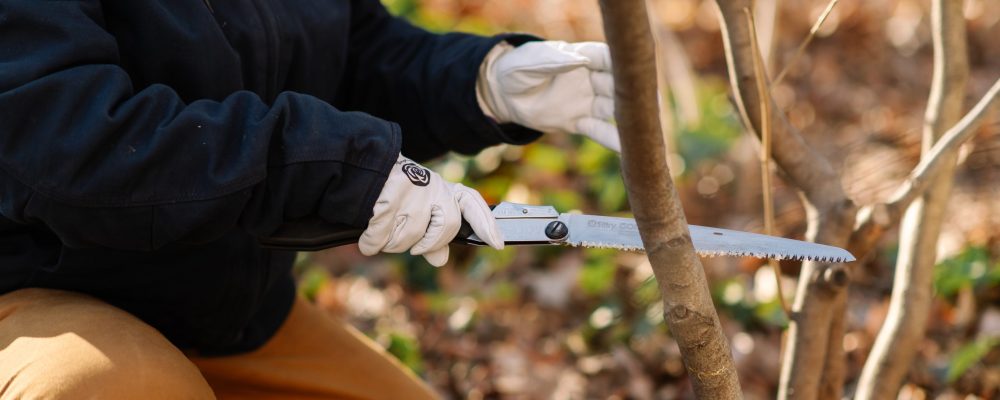
The way a park is cared for matters just as much as how it is designed.
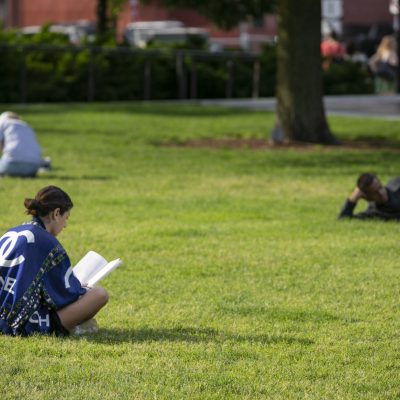
The Greenway is maintained using organic horticultural practices and ecological management that prioritize healthy soils, thriving ecosystems, and the long-term health of the landscape without synthetic pesticides, herbicides, or fertilizers. In focusing on sustainability, The Greenway has converted areas of traditional lawn space into a blend of microclover and regionally-grown grasses that requires significantly less water and mowing to maintain. To further monitor the park’s water usage on lawns, gardens, and landscapes, The Conservancy uses state-of-the-art irrigation management software.
The Conservancy has also transitioned much of its maintenance equipment and vehicles from gas-powered to electric and battery-powered alternatives, reducing emissions and noise while helping create a cleaner, quieter, and healthier park experience for all.
Climate Resilience
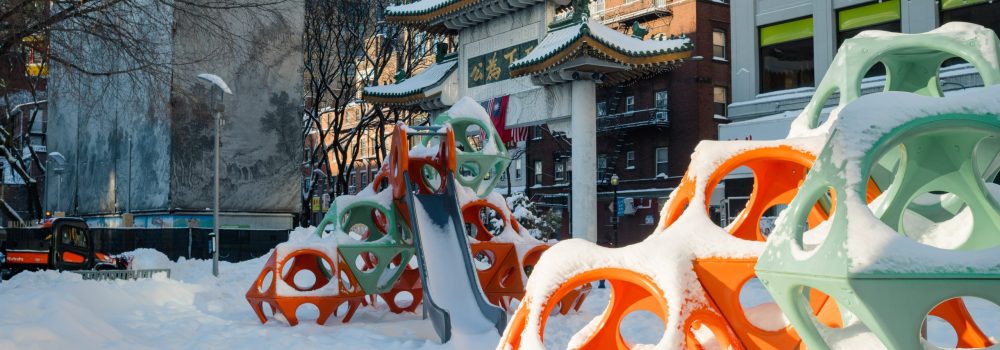
As Boston continues to prepare for the impacts of climate change, parks like The Greenway have an important role to play. Climate resilience—the ability of communities and landscapes to adapt to changing conditions—is strengthened through thoughtful design, strong partnerships, and long-term planning.
Permeable pavement on pathways and under trees in hardscapes help absorb rainfall and reduce stormwater runoff during heavy storms, while gardens and trees contribute to a healthier, more adaptable urban landscape. Working alongside partners like the Wharf District Council, Boston Harbor Now, the Green Ribbon Commission, and public agencies, The Greenway continues to support broader efforts to build a more resilient waterfront and downtown Boston.
Public art
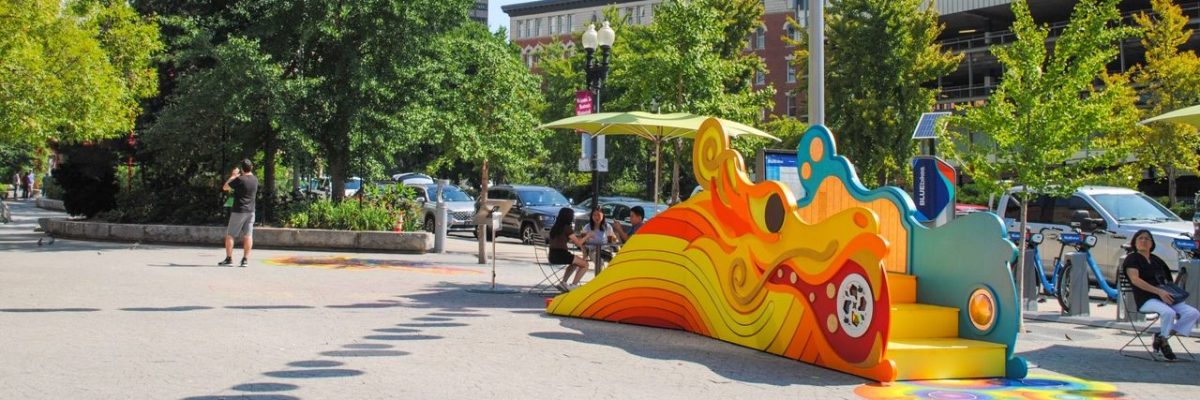
The Greenway’s commitment to environmental stewardship extends to every stage of its Public Art program. From the earliest stages of planning, the team considers opportunities to incorporate locally sourced and recyclable materials, keeping sustainability in mind throughout each installation’s lifecycle.
When an artwork’s time on The Greenway comes to an end, the team collaborates with artists to identify new homes for the piece whenever possible, giving materials and creative resources a continued life beyond their original setting. By prioritizing reuse and considering the full lifecycle of temporary artworks, The Greenway reduces waste and integrates thoughtful resource conservation into its approach to public art.
Community Engagement
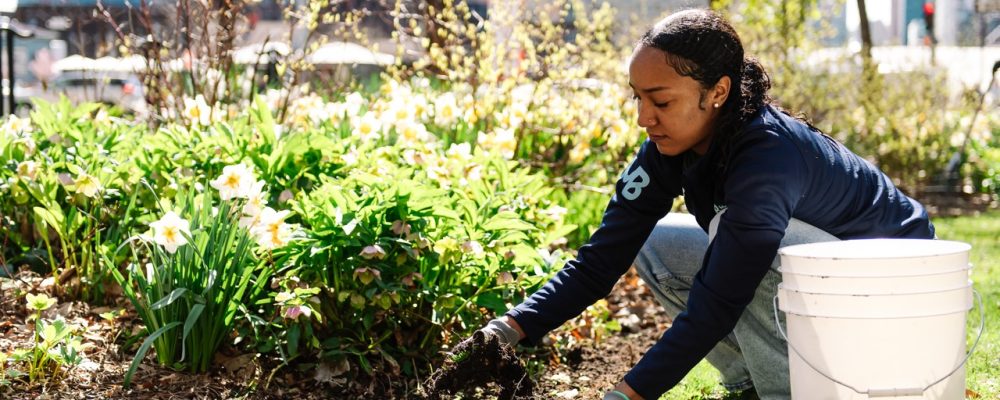
Environmental stewardship is most successful when it’s shared.
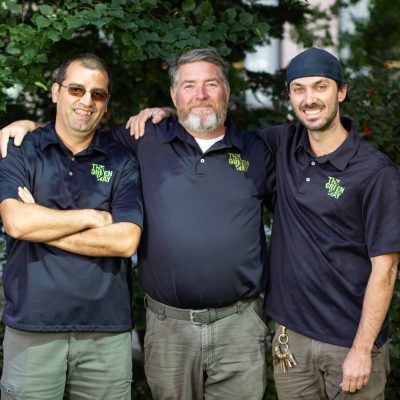
Caring for an urban park takes a community. Throughout the growing season, hundreds of dedicated volunteers work alongside Greenway horticulturists to help maintain the park’s gardens through planting, weeding, pruning, mulching, and other hands-on stewardship. Many return week after week, contributing thousands of hours each year and playing an essential role in keeping The Greenway healthy, beautiful, and welcoming.
The Conservancy’s volunteer program also creates meaningful opportunities for local businesses, nonprofit organizations, schools, and community groups to make a lasting impact. Through corporate volunteer days and organized group service projects, partners work alongside our staff to care for the landscape while building connections to the park and to one another. These shared experiences strengthen not only The Greenway itself, but also the network of people and organizations invested in its future.
Want to make Boston greener?
VOLUNTEER WITH THE GREENWAY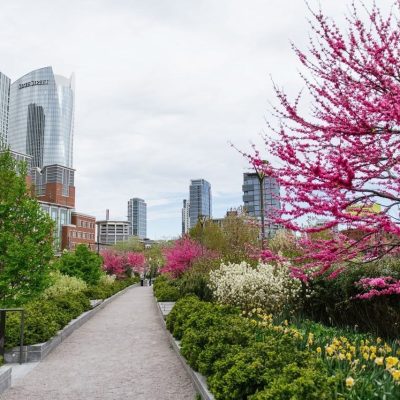
Contact info@rosekennedygreenway.org with any questions about our environmental impact work.